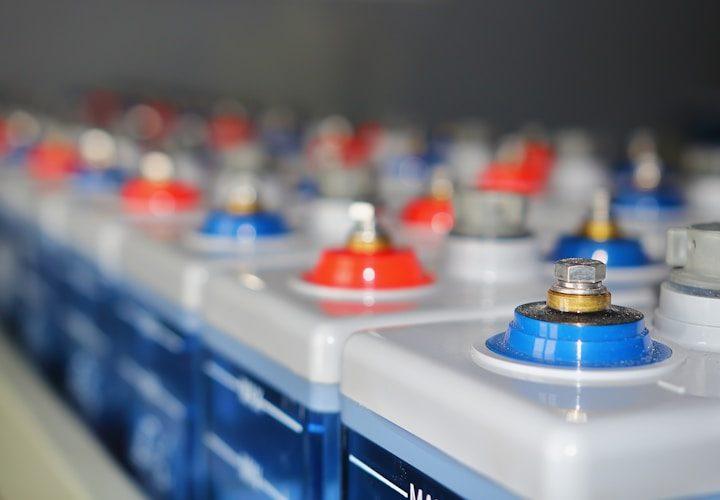
Lithium Battery Modules
Cell consistency, module structure, and connection processes form the stable foundation of a reliable storage system.
Built for industrial parks, commercial facilities, solar power stations, and microgrids, this page presents lithium battery energy storage systems, energy management, safe operation, maintenance, and renewable energy integration.
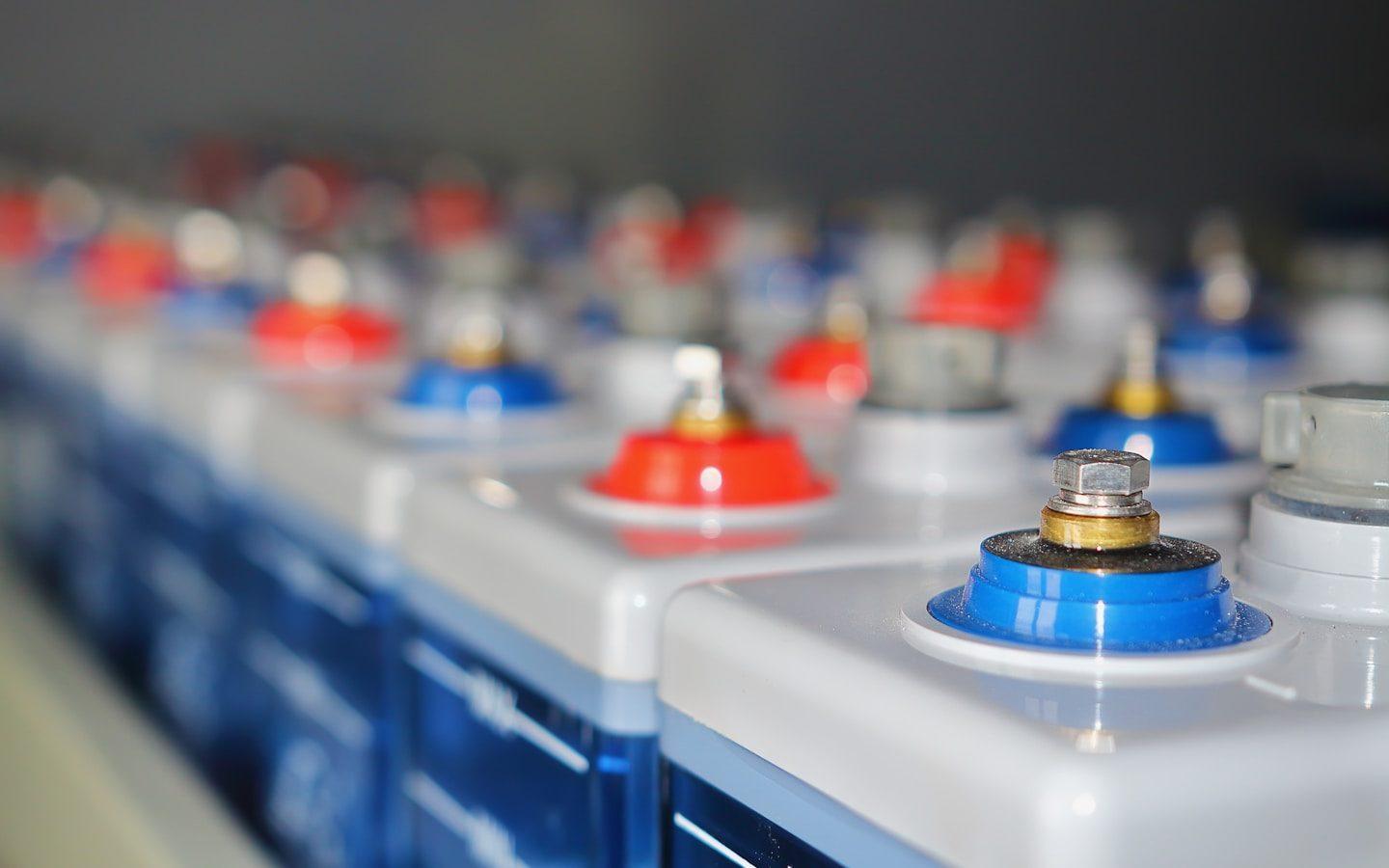
The foundation of an energy storage system is stable cells, a well-designed PACK structure, and reliable BMS management. Voltage, temperature, current, and insulation monitoring improve operating safety and maintainability.
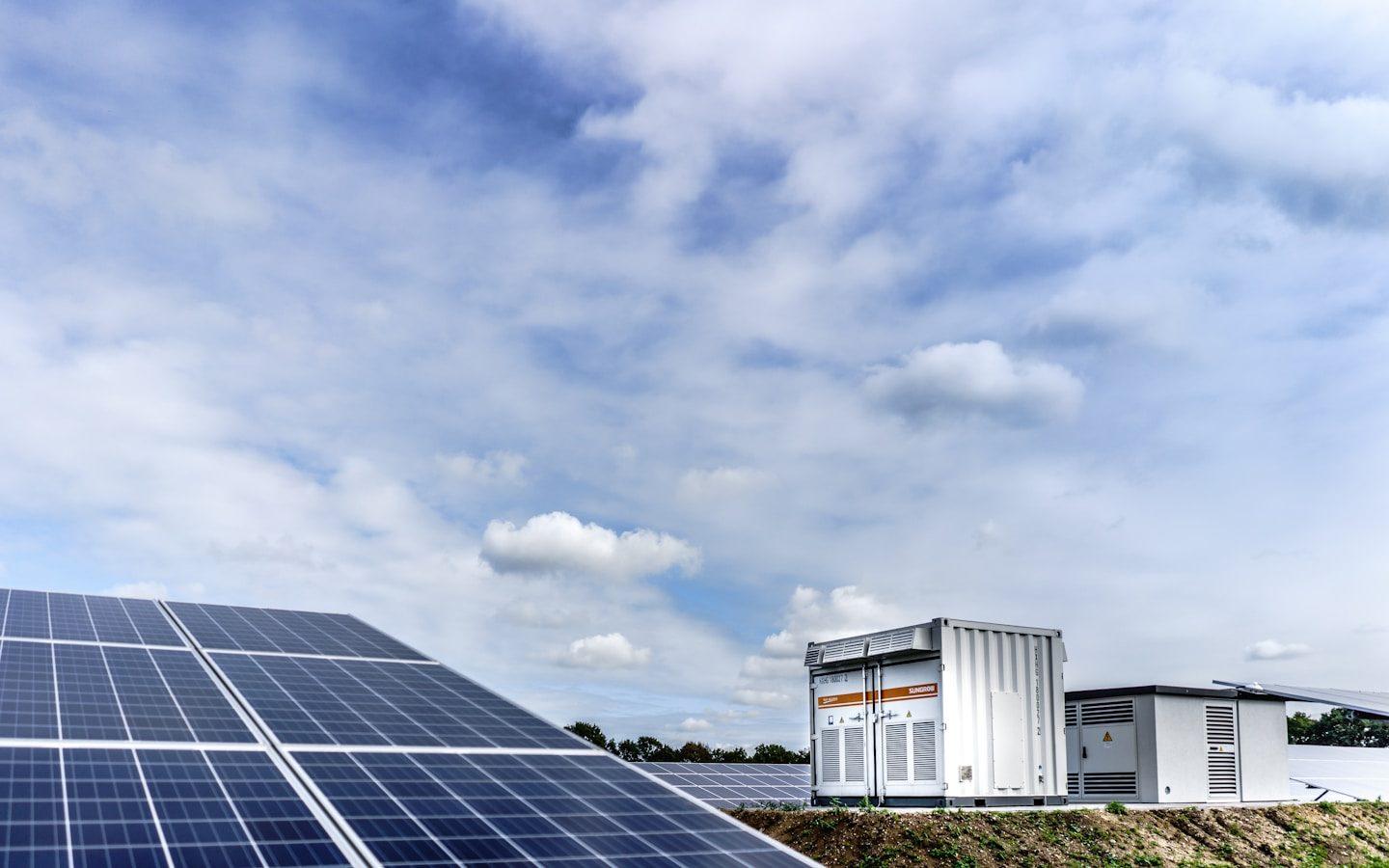
Battery clusters, PCS, EMS, fire protection, thermal control, and grid-connection equipment are combined into a complete system for peak shaving, demand control, backup power, and renewable energy absorption.
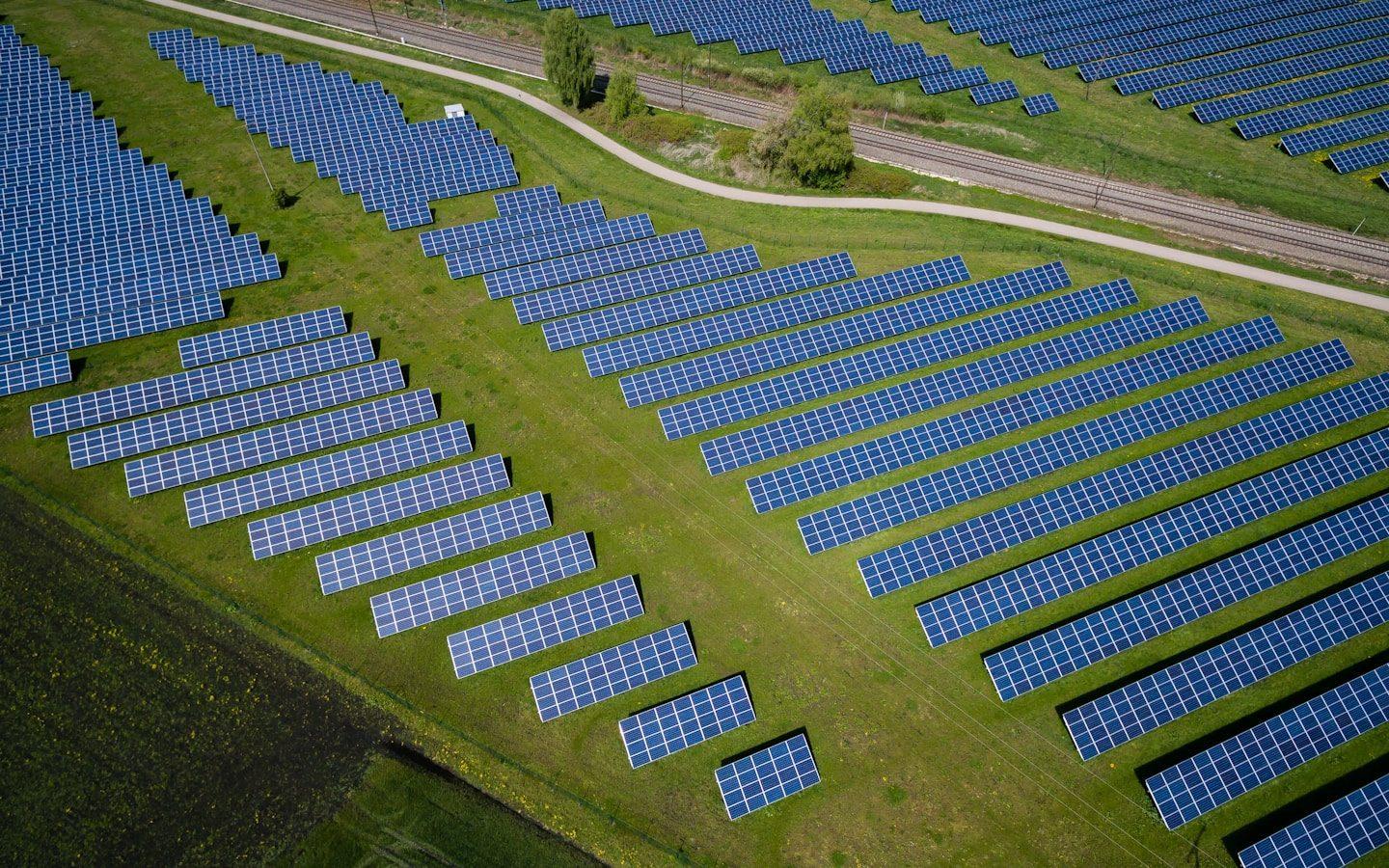
Energy storage smooths solar and wind power fluctuations, improves grid-connection quality, and increases the utilization of green electricity through energy dispatch, giving parks and power stations more flexible energy management.
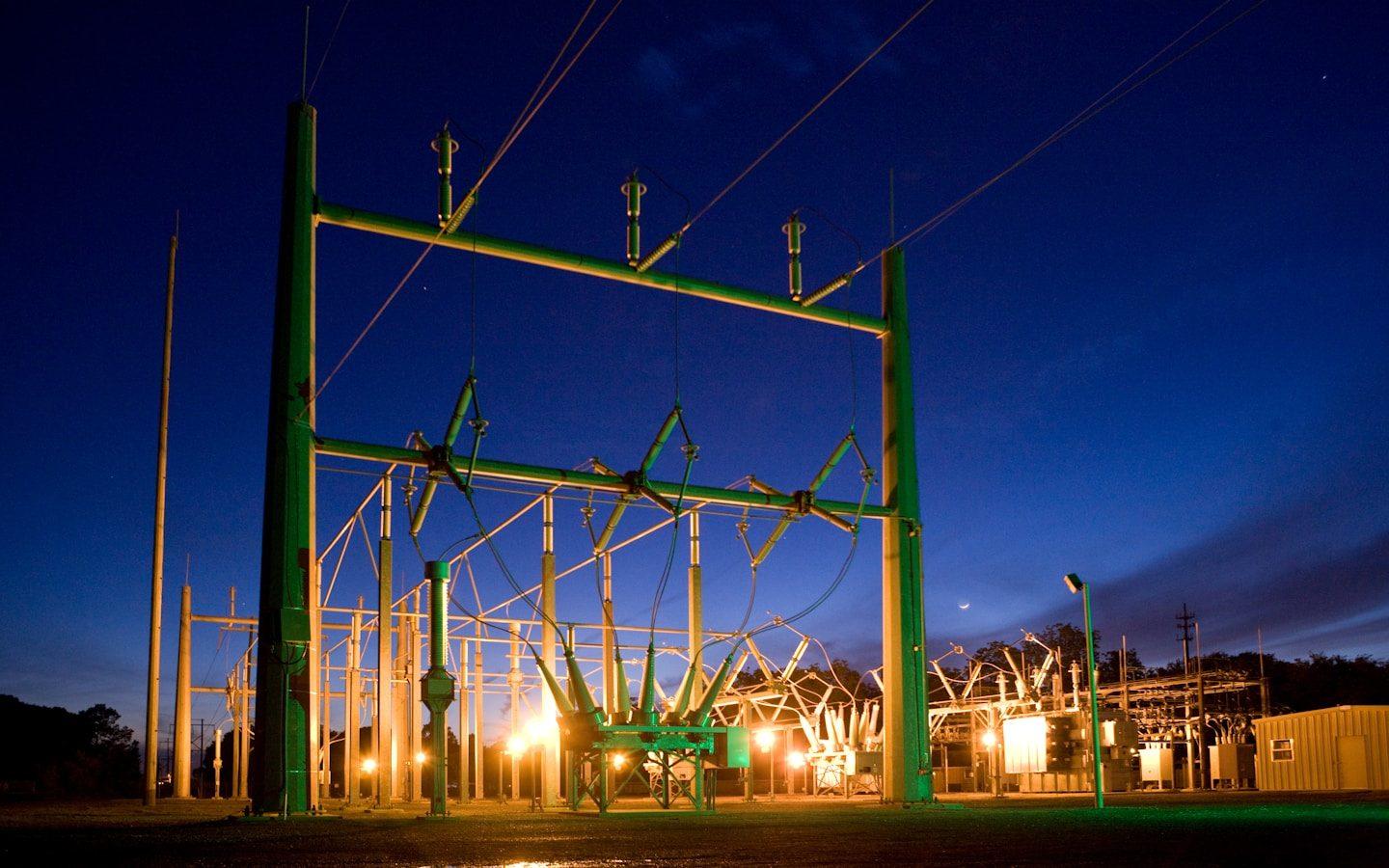
Covering cells, storage systems, grid connection, safety protection, and intelligent operation and maintenance, these modules reflect the most common capabilities in renewable energy storage projects.
Cell consistency, module structure, and connection processes form the stable foundation of a reliable storage system.
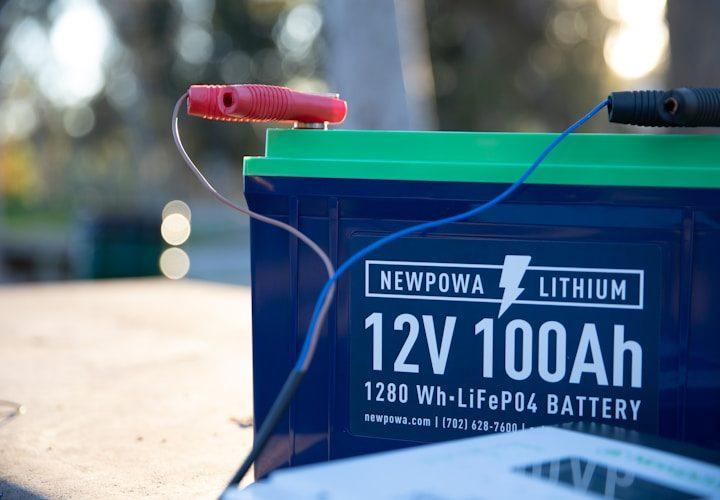
Real-time voltage, temperature, current, and insulation data provide the basis for balancing control and safety protection.
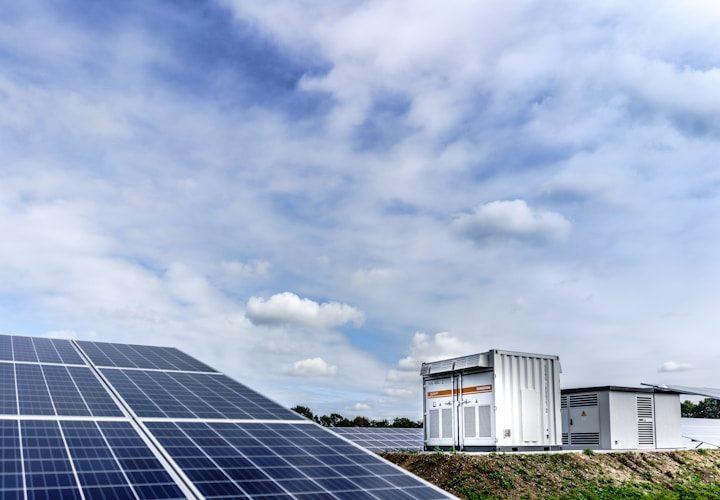
Coordinated operation of photovoltaic generation and energy storage improves renewable energy absorption and reduces electricity cost volatility.
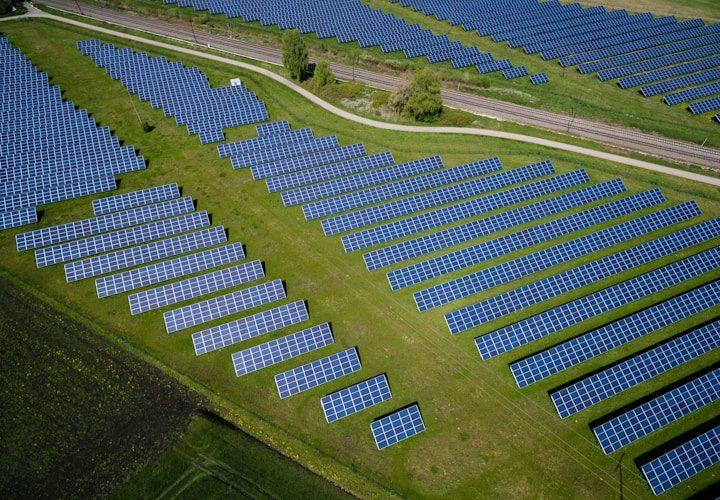
Suitable for solar power stations, wind farms, and standalone energy storage plants, with support for large-scale grid connection and unified dispatch.
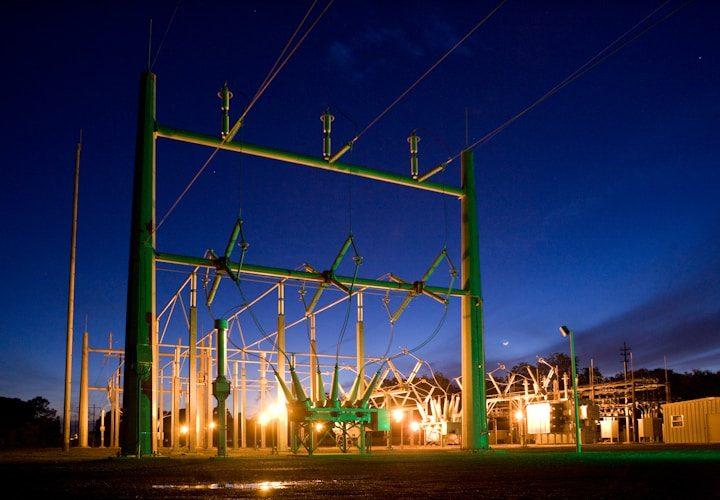
PCS enables bidirectional energy conversion between the DC battery side and the AC grid side to meet grid-control requirements.
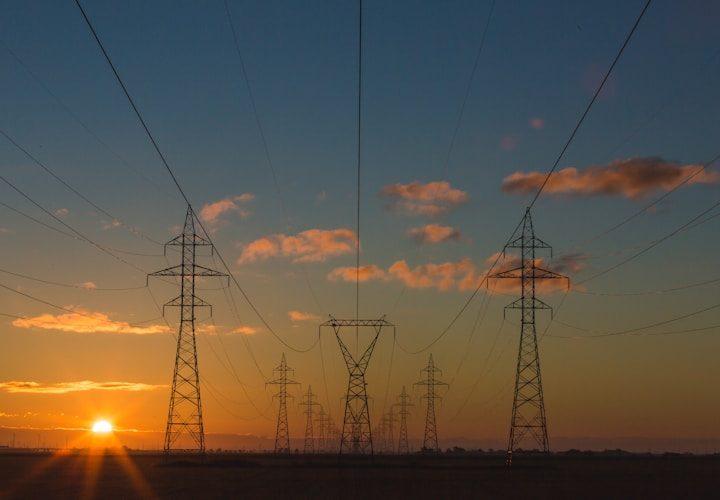
Energy storage can support peak shaving, load shifting, frequency regulation, peak regulation, and reserve capacity to improve grid flexibility.

An energy management system coordinates batteries, PCS, photovoltaics, and loads for strategy control and operational optimization.
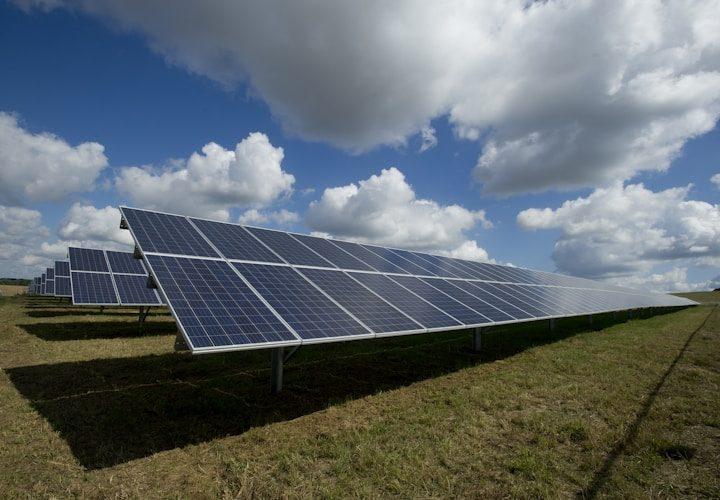
Photovoltaics, energy storage, and intelligent load control help enterprises increase the share of green electricity.

Storage systems buffer renewable power fluctuations and provide smoother grid-connection capability for wind and solar generation.
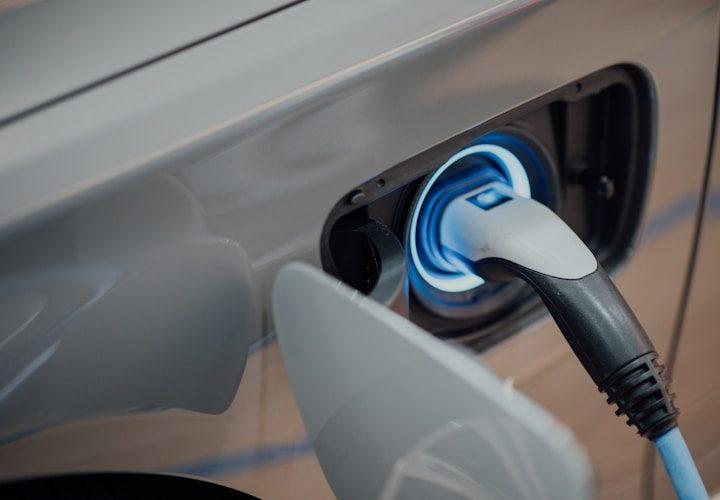
In parks, parking areas, and charging stations, photovoltaics, storage, and charging equipment reduce peak-load pressure.

Electrical protection, fire-protection linkage, thermal management, and graded alarms reduce operating risks in storage systems.

Operating data, alarm records, and report analysis support remote inspection, fault location, and asset management.
From battery systems to station dispatch, and from grid control to safe operation and maintenance, these capabilities form a complete renewable energy storage solution stack.
Cell consistency, cycle life, thermal stability, and batch traceability provide the foundation for long-term operation.
Standardized modules and cabinet structures simplify transportation, installation, expansion, and on-site maintenance.
Continuous monitoring of voltage, temperature, current, and SOC provides alarms, balancing, and protection strategies.
Charging and discharging plans are optimized automatically based on tariffs, load, photovoltaic output, and operating strategies.
Bidirectional conversion between the DC battery side and the AC grid side supports both grid-connected and off-grid scenarios.
Coordinated operation with photovoltaic systems increases self-consumption, reduces curtailment, and smooths output fluctuations.
A data platform displays operating status, revenue indicators, alarm information, and historical curves.
Depth of charge and discharge, temperature, and rate control slow capacity degradation and optimize service life.
Protection settings, metering access, dispatch interfaces, and acceptance requirements support project grid connection.
Temperature sensors, smoke detectors, gas detection, and fire-extinguishing systems create graded warnings and coordinated response.
Generation, charging and discharging, revenue, alarm, and availability data support project review and management.
Renewable energy absorption and energy-efficiency optimization help parks and enterprises reduce carbon emission intensity.
This page is suitable for presenting energy storage products, project solutions, application scenarios, and renewable energy business capabilities. Contact details, case downloads, or project inquiry entry points can be added here later.
The current page is a static showcase page and does not include backend form submission.